
Burlington Fire reminding residents of CO alarm requirements during Carbon Monoxide Awareness Week
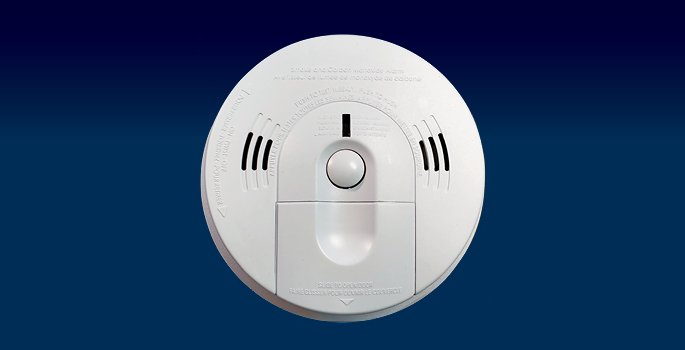
Carbon monoxide (CO) is a colourless, odourless and tasteless gas that can be fatal if undetected.
Often called the "silent killer", it is produced when fuels such as natural gas, propane, oil, wood or gasoline do not burn properly. As part of CO Awareness Week (Nov. 1 to 7), Burlington Fire is reminding residents of Ontario Fire Code requirements and urging anyone who has not already done so to ensure their home is equipped with working carbon monoxide alarms.
Updated Ontario Fire Code requirements came into effect in January 2026 and apply to homes that have any of the following:
- A fuel-burning appliance (such as a furnace, water heater, gas stove, or wood stove)
- A fireplace
- An attached garage
- NEW in 2026: Heated air supplied by a fuel-burning appliance located outside the home. Examples include: outdoor wood furnace (wood boiler), pellet stove in a detached utility building, propane or natural gas furnace in an outbuilding, or external boiler system connected to home heating.
If your home has fuel-burning appliances, fireplaces, or attached garages, you must have CO alarms on every level of your home and near all sleeping areas.
As required by the Ontario Fire Code, CO Alarms must be installed:
- near every sleeping area, and
- NEW in 2026: on every storey of the home, including floors without bedrooms.
- This applies to detached homes, townhouses and row houses.
CO alarm maintenance tips
- Test your CO alarm at least once a month to make sure it is working properly.
- Replace your carbon monoxide alarm every 10 years, or sooner if recommended by the manufacturer, to ensure it continues to provide reliable protection.
- Change alarm batteries every six months, ideally when you change your smoke alarm batteries, unless your alarm has a sealed long-life battery.
CO poisoning is preventable with a working alarm. For more about CO safety, visit: burlington.ca/CO