
Fact or fiction: Garage fire safety myths explained
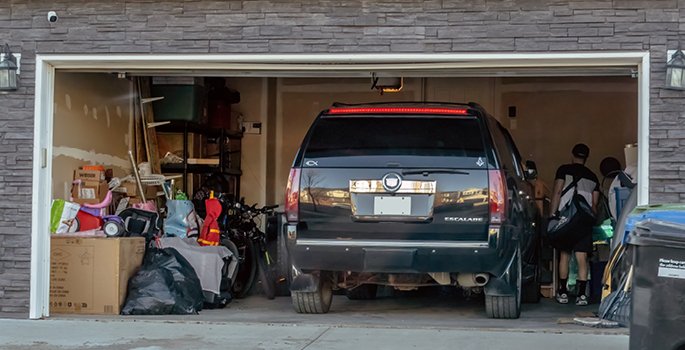
Summer is a popular time for garage cleanouts, backyard projects, and home improvements.
In Burlington, nearly one in four structure fires starts in a garage, highlighting the importance of fire safety when storing and using household items.
As you organize your garage and tackle seasonal projects, take time to properly store hazardous materials and reduce potential fire risks.
Separate fact from fiction with these common garage fire safety myths:
Myth: My garage is just a storage space, so it's not a major fire risk.
Truth: Garages often store gasoline, oil, paint, power tools, propane cylinders, and other combustible materials. These items can increase the likelihood of a fire and make fires spread more quickly when they occur. While garages are a common place to store these items, it’s important to regularly take stock of what’s stored and not overlook their fire risk.
Myth: It's safe to leave batteries and devices charging overnight.
Truth: Lithium-ion batteries can overheat, especially if damaged, defective, or paired with incompatible, aftermarket chargers. Always use the original battery and charging equipment, avoid aftermarket or knock-off batteries, and unplug devices once charging is complete. If a battery becomes hot, it emits an unusual odour, leaks, or makes noises, stop using it immediately.
Myth: Extension cords are a safe solution for garage power needs.
Truth: Extension cords should only be used temporarily. Old, damaged, or overloaded cords can create a fire hazard. Plug tools, appliances, and charging devices directly into wall outlets whenever possible, and consider having your home's electrical system inspected by a licensed electrician.
Myth: Oily rags can be tossed in a trash bag.
Truth: Rags soaked with paint, stain, varnish, oil, or other flammable products can ignite on their own under the right conditions. Store used rags in a sealed metal container filled with water and detergent until they can be disposed of properly.
Myth: Smoke alarms are the best option for garages.
Truth: Vehicle exhaust, dust, and temperature changes can cause nuisance smoke alarm activations in garages. Instead, consider installing a heat alarm, which is specifically designed for garage environments and can be connected to your home’s interior alarms and provide early warning of a fire without frequent false alarms.
Myth: A cluttered garage is just an inconvenience.
Truth: Clutter can act as fuel for a fire, allowing it to spread more quickly. Keeping your garage organized and free of unnecessary combustible materials can help reduce fire risk and improve access during an emergency.
Myth: Activities like welding, grinding, smoking, or cooking are harmless in a garage.
Truth: Sparks, hot surfaces, and open flames can easily ignite nearby combustible materials. Welding and grinding should only be performed in a designated, well-ventilated workspace or job site that is specifically set up for hot work and free of flammable materials. If you smoke, do so outside and use a deep, sturdy ashtray for cigarette disposal.
Bend the trend with us. Watch this quick fire safety reminder and pass it along.
Stay informed on fire and life safety news and tips by subscribing at burlington.ca/subscribe and follow the Fire Department on X (@BurlingtonFire), Instagram (@burlfiredept), and Facebook (BurlingtonFireDept).