
Three simple steps to prevent battery fires
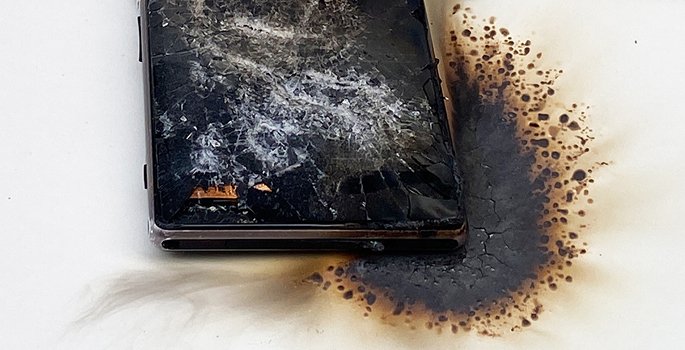
From smartphones and laptops to e-bikes, power tools and electric vehicles, rechargeable (lithium-ion) batteries have become part of everyday life. They power many of the devices we rely on every day.
While these batteries are generally safe when used properly, fire departments across Canada are responding to more battery-related fires than ever before. When a battery is damaged, defective or used improperly, it can overheat and fail, sometimes resulting in an intense fire that spreads quickly and produces toxic smoke.
The good news? Many of these fires are preventable.
A few simple choices when you buy, charge and use lithium-ion batteries can go a long way toward keeping your home and family safe.
1. Buy safe: make safety part of the purchase
Battery safety starts before you bring a product home.
Whether you're shopping for a new phone, e-bike, power tool or battery pack, it's important to choose products from trusted manufacturers and reputable retailers. Look for products that carry recognized Canadian safety certification marks and always use batteries and chargers designed specifically for your device.
Be cautious of products that seem unusually cheap, use unapproved batteries or chargers, or have been modified. The same goes for used batteries with an unknown history.
For e-bikes, e-scooters and other battery-powered mobility devices, make sure the battery, charger and device are designed to work together. Not all batteries and chargers are interchangeable, and using the wrong one can increase the risk of a fire.
A good rule of thumb: if a deal seems too good to be true, it may come with hidden safety risks.
Before buying, ask yourself three simple questions:
Is it approved?
Is it compatible?
Is it from a reputable source?
2. Charge safe: where and how you charge matters
Charging is one of the most important opportunities to prevent battery fires.
Always use the charger provided or recommended by the manufacturer and follow the instructions that come with the device.
When charging a lithium-ion battery:
- Place it on a hard, stable surface.
- Keep it away from beds, couches, curtains and other combustible materials.
- Avoid charging overnight or when no one is home.
- Protect batteries from extreme temperatures.
- Never charge a battery that is damaged, swollen or unusually hot.
- Make sure charging cords and equipment are in good condition.
- Never charge batteries in hallways, stairwells or other locations that could block an escape route.
If you're installing charging equipment for an electric vehicle, make sure it is installed properly and meets electrical safety requirements. In Ontario, homeowners should use a Licensed Electrical Contractor and ensure the installation complies with the Ontario Electrical Safety Code.
3. Use safe: know the warning signs
Batteries often give warning signs before they fail. Paying attention to those signs can help prevent a dangerous situation.
Stop using the battery immediately if it:
- Swells, bulges or changes shape or leaks
- Becomes unusually hot
- Produces an unusual odour
- Makes hissing, popping or crackling sounds
- Shows signs of physical damage
- Produces smoke
It's also important to remember that a battery can be damaged even when there are no obvious signs. Batteries that have been dropped, crushed, exposed to water or altered in any way may no longer be safe to use.
Never attempt to repair, puncture or modify a lithium-ion battery yourself.
If a battery starts smoking, burning or rapidly heating up, don't take chances.
Get out. Stay out. Call 9-1-1.
Never put yourself at risk trying to move a burning battery or retrieve a device.
Working smoke and CO alarms save lives
Preventing a battery fire is the goal, but every home should also be prepared in case something goes wrong.
Lithium-ion battery fires can grow quickly and produce dense, toxic smoke. That's why working smoke alarms are such an important layer of protection. They provide the early warning needed to get everyone out safely, especially at night when people are sleeping.
Make sure your home has:
- Working smoke alarms on every storey and outside sleeping areas
- Smoke alarms that are tested regularly
- Alarms that are replaced according to the manufacturer's instructions
- A home escape plan that everyone knows and practises
Don't forget carbon monoxide alarms, either. Carbon monoxide is a colourless, odourless gas that can be deadly. Homes with fuel-burning appliances or attached garages should have working CO alarms installed as required.
Think of alarms as your home's early-warning system. While safe battery practices can help prevent a fire, working alarms can provide the precious seconds needed to escape if one occurs.
Dispose of batteries properly
When a rechargeable battery reaches the end of its life, don't put it in the garbage or regular recycling.
Lithium-ion batteries can be damaged during collection and processing, creating a fire risk for workers, waste facilities and collection vehicles.
Instead, use an approved battery recycling or disposal program and follow your municipality's guidance for safe disposal. In Halton, visit the Halton Region Waste Management Site or call 311.
If a battery is damaged, leaking or showing signs of failure, take extra precautions and seek guidance on proper handling and disposal.
The bottom line
Lithium-ion batteries power our modern lives, but they deserve our attention and respect. By making smart choices when you buy, charge and use rechargeable batteries, you can significantly reduce the risk of a fire in your home.
Buy safe. Charge safe. Use safe.
You have the power to help prevent battery fires.